English
 Deutsch
 español
 العربية
 中文
中文
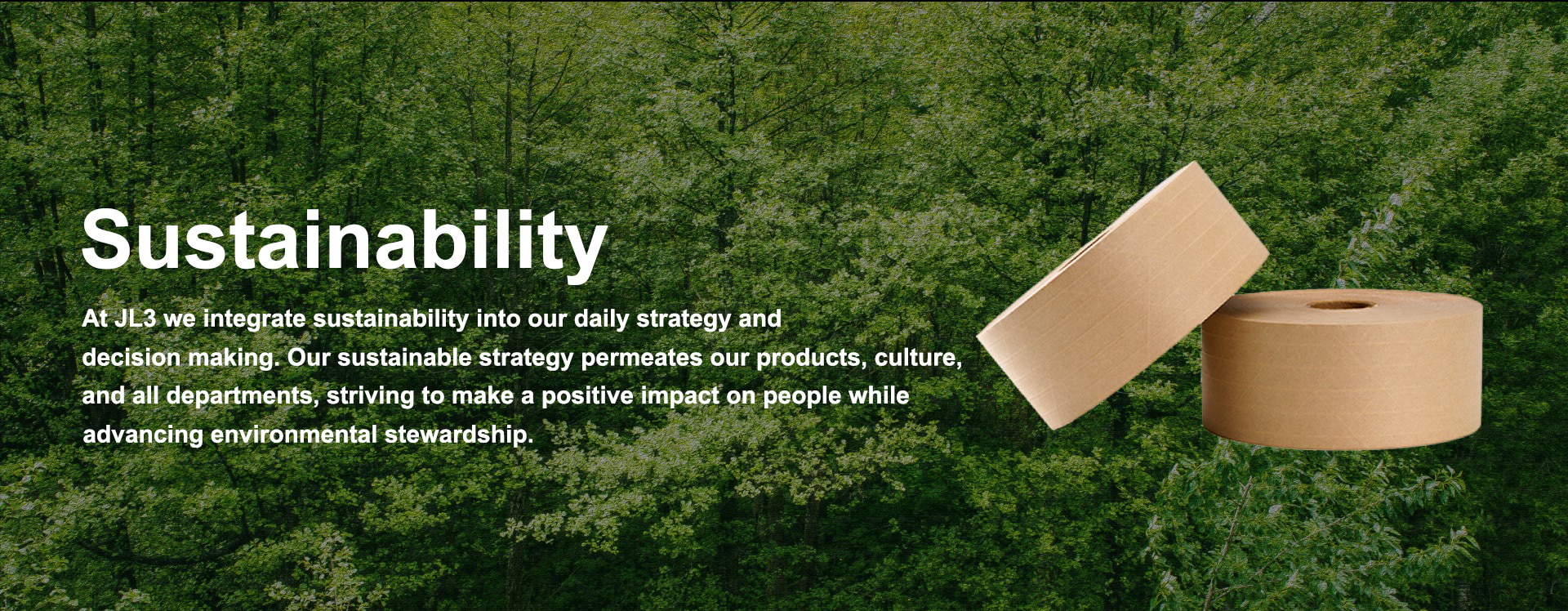
En entornos de embalaje de almacén, la elección entre los distintos tipos de cinta de papel kraft influye directamente en la eficacia del sellado y la integridad del paquete. Según nuestra experiencia en fabricación, observamos que a menudo es necesario aclarar cuándo utilizar cinta activada por agua o cinta kraft autoadhesiva, y si se requiere refuerzo para su aplicación.
La cinta de papel kraft funciona mediante dos sistemas adhesivos distintos. La cinta activada por agua utiliza un adhesivo a base de almidón que requiere humedad para adherirse al cartón corrugado. Una vez aplicada, el adhesivo penetra en las fibras del cartón, creando un sellado permanente a prueba de manipulaciones. Esto la hace ideal para embalajes de alta resistencia, envíos de larga distancia y aplicaciones donde la seguridad es fundamental. La cinta kraft autoadhesiva, por el contrario, utiliza un adhesivo termofusible o de caucho sintético que se adhiere solo por presión, ofreciendo una aplicación más rápida sin necesidad de equipos de activación por agua.
La estructura de refuerzo determina la resistencia a la tracción y al desgarro. La cinta kraft reforzada estándar incorpora hebras de fibra de vidrio en diversos patrones. Las cintas de uso ligero suelen utilizar de cero a tres hebras de fibra de vidrio en la dirección de la máquina. Las cintas de uso medio emplean de cuatro a seis hebras de fibra de vidrio con refuerzo transversal a 45 grados. Las cintas reforzadas de alta resistencia contienen seis o más hebras de fibra de vidrio con una mayor densidad de separación.
Para operaciones que manejan cajas de diferentes pesos, recomendamos mantener opciones tanto reforzadas como no reforzadas. La cinta kraft no reforzada funciona adecuadamente para paquetes ligeros de comercio electrónico de menos de 7 kg, donde la rentabilidad es más importante que la máxima resistencia. La cinta reforzada es necesaria cuando las cajas se apilarán durante el transporte, se someterán a un manejo brusco o se enviarán internacionalmente, donde las variaciones de humedad y temperatura pueden debilitar la estructura del cartón.
El método de aplicación también influye en la selección de la cinta. Los dispensadores de cinta activados por agua abarcan desde unidades manuales de extracción manual hasta sistemas automatizados con longitud programable. La cinta kraft autoadhesiva se puede aplicar con dispensadores manuales estándar o máquinas automáticas de sellado de cajas. La clave reside en adaptar el ancho de la cinta al tamaño de la caja: la cinta de 48 mm es adecuada para cajas RSC estándar, mientras que la cinta de 72 mm o más ancha proporciona una mejor cobertura para paquetes grandes o de forma irregular.
Desde el punto de vista del material, el gramaje del papel kraft suele oscilar entre 70 g/m² y 140 g/m². Un papel más grueso ofrece mayor resistencia a la perforación, pero aumenta el coste. El gramaje del adhesivo también varía: la cinta activada por agua suele llevar entre 40 y 70 g/m² de adhesivo de almidón, mientras que las versiones autoadhesivas utilizan entre 25 y 40 g/m² de adhesivo termofusible o a base de caucho. Estas especificaciones deben ajustarse a la calidad de la caja y a las condiciones de almacenamiento.
La resistencia a la temperatura representa otro factor de selección. La cinta activada por agua con adhesivo de almidón funciona de manera confiable entre -5 °C y 70 °C, lo que la hace adecuada para la mayoría de los entornos de almacenamiento y transporte. La cinta kraft autoadhesiva con adhesivo termofusible mantiene su rendimiento entre -5 °C y 60 °C, mientras que las formulaciones de caucho sintético extienden el rango hasta 80 °C para aplicaciones que implican exposición al calor.
Para los almacenes que están pasando de la cinta BOPP a alternativas sostenibles, sugerimos comenzar con cinta kraft autoadhesiva por sus características de manipulación habituales, y luego evaluar la cinta activada por agua para aplicaciones específicas de alta resistencia. La reciclabilidad de la cinta de papel kraft permite que permanezca adherida a las cajas durante el proceso de reciclaje, a diferencia de las cintas de plástico que deben retirarse.




 Red IPv6 compatible